

Crude Oil Dependency and India’s Economic Vulnerability
Explores why India imports over 80% of its crude oil and how global price fluctuations directly impact domestic inflation and fiscal stability.
Read MoreUnderstanding how crude oil dependency, fuel deregulation, and energy costs drive inflation across consumer goods and everyday expenses
Energy prices aren’t just about what you pay at the pump. They cascade through every part of the economy — affecting food costs, transportation, manufacturing, and everything in between. This guide explores how India’s energy sector shapes inflation and what that means for your wallet.
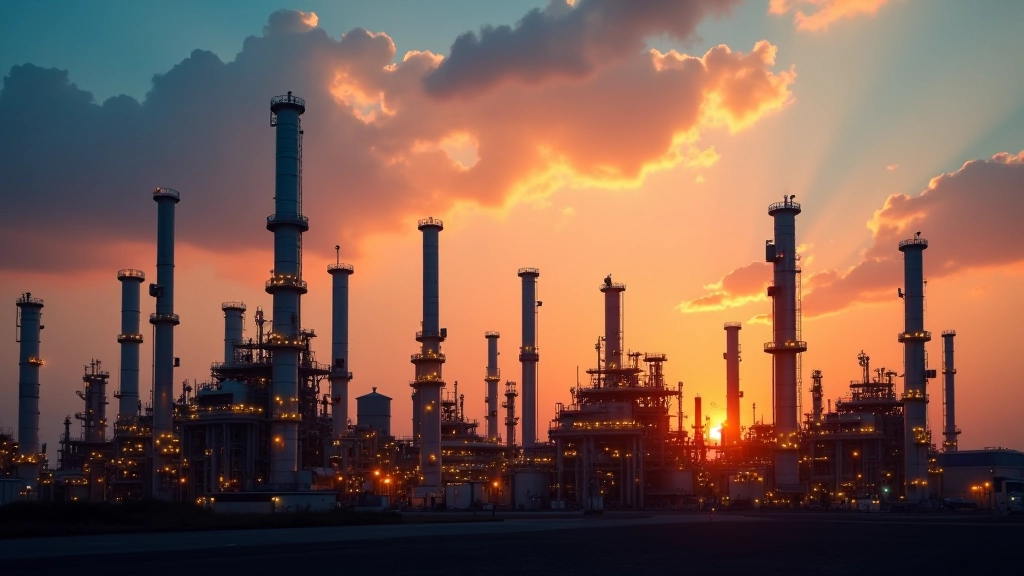
Explore in-depth analysis of energy economics, crude oil markets, and their cascading effects on inflation
Explores why India imports over 80% of its crude oil and how global price fluctuations directly impact domestic inflation and fiscal stability.
Read More
How India moved from government-controlled prices to market-linked pricing, and why deregulation fundamentally changed inflation dynamics.
Read More
When fuel prices rise, the impact ripples through supply chains. Learn how energy costs affect food, transportation, manufacturing, and retail prices.
Read More
Which energy indicators actually predict inflation? Understand the relationship between crude oil prices, energy production costs, and consumer price indices.
Read MoreIndia imports the majority of its crude oil needs, making domestic prices highly vulnerable to international market fluctuations and geopolitical events.
Fuel costs typically represent 20-30% of logistics expenses, directly influencing the final price consumers pay for goods delivered across the country.
Diesel prices were fully deregulated in 2014, allowing market forces to determine pricing. This shift fundamentally changed how inflation responds to global energy markets.
Economic studies suggest every $10 increase in crude oil prices translates to approximately 1-2% increase in overall inflation across the Indian economy.
A step-by-step look at the mechanisms connecting crude oil to your everyday costs
Crude oil prices fluctuate based on global supply-demand dynamics, geopolitical tensions, production decisions by OPEC nations, and seasonal factors. India tracks Brent crude as its primary pricing benchmark.
Oil refineries convert crude into petrol and diesel. Under deregulation, retail prices adjust based on crude costs plus refining margins, taxes, and distribution expenses. Changes occur weekly or as needed.
Higher fuel prices increase costs for trucks, buses, railways, and shipping. Businesses pass these costs to distributors and retailers, who then adjust prices for consumers.
Energy powers factories, mills, and processing units. Rising fuel costs increase production expenses for food, textiles, chemicals, steel, and virtually every manufactured good.
All these cost increases combine to raise the Consumer Price Index (CPI). Inflation affects purchasing power, savings, and interest rates set by central banks.