
Cascading Cost Effects: From Energy to Consumer Goods
When fuel prices rise, the impact ripples through supply chains. We’ll show you exactly how energy costs affect food, transportation, manufacturing, and retail prices.

Why This Matters
You’ve probably noticed prices going up at the grocery store. Or maybe your electricity bill jumped unexpectedly. That’s not coincidence. It’s the cascading effect of energy costs rippling through the entire economy.
India imports about 85% of its crude oil. When global prices rise, everything connected to transportation and energy becomes more expensive. From farming to delivery, from manufacturing to retail — the entire supply chain feels it. Understanding how this works helps you see the bigger economic picture.
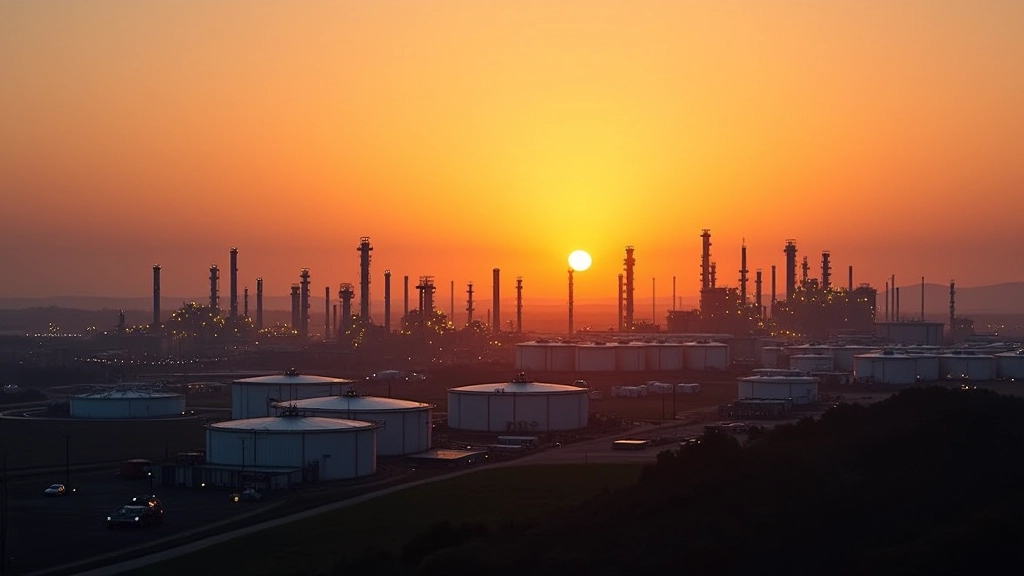
How Fuel Prices Cascade Through the Economy
Crude Oil Prices Rise
Global crude oil prices increase due to supply constraints or geopolitical factors. India’s dependency on imports means international price changes directly affect domestic costs.
Fuel and Energy Costs Climb
Petrol, diesel, and electricity prices increase. Refineries process imported crude at higher costs. Power plants burning fuel for electricity generation pass costs to utilities.
Transportation Costs Surge
Trucks, ships, and railways all burn fuel. Higher diesel prices mean higher logistics costs. A 10% rise in fuel can translate to 3-5% increase in transportation expenses for businesses.
Manufacturing Becomes Expensive
Factories use electricity and fuel for production. Raw material costs increase because suppliers also pay more for transportation. Finished goods become pricier to produce.
Consumer Prices Rise
Retail prices climb because businesses pass along their increased costs. Everything from groceries to clothing to services becomes more expensive for consumers like you.
Where You Feel the Cascading Effects
Energy costs don’t just affect your electricity bill. They’re baked into nearly every product and service you use.
Food & Groceries
Farmers use diesel for tractors and irrigation. Transportation from farm to market requires fuel. Cold storage and refrigeration need electricity. A 20% fuel increase can mean 8-12% higher grocery prices within months.
Manufactured Goods
Factories are energy-intensive. Cement, steel, plastics — all require significant electricity or heat. Transporting finished goods to distribution centers adds more fuel costs. Retail markups compound the effect.
Logistics & Delivery
Express delivery services depend entirely on fuel. Higher diesel costs mean higher shipping charges. E-commerce companies pass these increases to customers through delivery fees or product markups.
Utilities & Services
Electricity bills climb directly when power plants pay more for fuel. Water utilities need energy for pumping and treatment. Phone and internet services rely on powered infrastructure — costs rise accordingly.
Construction & Real Estate
Cement and steel production are energy-intensive. Construction equipment runs on diesel. Labor costs rise when workers face higher living expenses. Property prices and rents eventually increase.
Healthcare & Medicine
Hospitals need reliable electricity for equipment. Medicine manufacturing requires energy. Cold chain logistics for vaccines and biologics are fuel-dependent. Higher energy means higher healthcare costs.
Understanding the Numbers
Let’s look at some concrete figures. A 10% increase in crude oil prices typically translates to about a 3-5% increase in inflation within 6-12 months. Why isn’t it a direct 10% increase? Because energy is just one component of final prices, though it’s a significant one.
India’s inflation heavily depends on energy prices. Studies show that a $10 increase in crude oil per barrel correlates with roughly 0.3-0.5% increase in overall inflation. That might sound small, but multiply it across a nation of 1.4 billion people, and you’re talking about millions of households paying more for essentials.
Key Insight: Transportation costs typically account for 5-15% of product prices depending on the industry. When fuel prices rise 20%, transportation costs jump 4-30%, creating immediate pressure on consumer prices.

Not All Increases Are Equal
Several factors determine how quickly and intensely fuel prices affect consumer goods.
Market Competition
In competitive markets, businesses absorb some costs to maintain market share. In monopolistic sectors, they pass everything to consumers immediately.
Storage & Inventory
Companies with large inventories bought at lower prices take longer to feel the impact. Those relying on just-in-time delivery feel it immediately.
Government Subsidies
Fuel subsidies or price controls can delay the cascading effect, but they create other economic distortions. India has used targeted subsidies for specific sectors.
Currency Exchange
Crude oil is traded in dollars. A weaker rupee means higher costs for imports, amplifying the cascading effect beyond just oil price increases.
Energy Mix
Sectors relying on renewable energy or nuclear power face less impact from oil prices. Coal-dependent sectors feel it more acutely.
The Timeline of Impact
Fuel price increases don’t hit all sectors simultaneously. There’s a progression.
Weeks 1-4: Immediate impact on fuel prices at pumps. Logistics companies start absorbing costs or seeking rate increases. Airlines adjust fuel surcharges. You’ll see these impacts most clearly if you drive regularly.
Months 2-3: Transportation costs creep into wholesale prices. Retailers start seeing higher costs for goods. Wholesale price inflation appears first. You don’t see it directly yet, but wholesalers are struggling.
Months 3-6: Retail prices start climbing noticeably. Groceries, manufactured goods, and services become more expensive. Inflation becomes visible in your shopping basket and utility bills.
Months 6-12: Full cascading effect becomes apparent. Wages and costs across the economy adjust upward. Central banks may raise interest rates in response to inflation. The effects compound.

What This Means for You
Understanding cascading cost effects isn’t just academic. It helps you anticipate price changes and make smarter financial decisions. When fuel prices rise, you know that groceries will follow within months. Utility bills will climb. Rent pressures will increase.
India’s energy dependency makes the country particularly vulnerable to global crude oil price shocks. The government has gradually deregulated fuel prices, allowing market mechanisms to work, which actually helps prices adjust faster and more efficiently than when they were artificially controlled.
Keeping track of crude oil prices, fuel costs, and inflation trends gives you insight into what’s coming. You’ll see these cascading effects play out in your wallet, your grocery receipts, and your monthly bills. That’s not speculation — it’s how the economy works.
Explore Related Topics
Learn more about India’s energy economy and how prices work.
Read About Crude Oil Dependency
Educational Information Disclaimer
This article provides educational information about how energy costs cascade through the economy. It’s designed to help you understand economic relationships and inflation mechanisms. The examples, timelines, and percentages are based on general economic principles and historical patterns, but actual results vary significantly based on market conditions, government policies, and global events.
This content isn’t financial advice. If you’re making investment, business, or financial decisions, consult with qualified professionals who understand your specific situation. Economic systems are complex, and individual circumstances always matter.