
Crude Oil Dependency and India’s Economic Vulnerability
Why India’s reliance on imported crude oil exposes the economy to global price shocks and threatens fiscal stability. Understand the mechanisms behind energy-driven inflation and what it means for your wallet.

The Oil Import Trap
India imports over 80% of its crude oil consumption — one of the highest dependency rates globally. That’s roughly 4 million barrels per day coming from OPEC nations, Russia, and the Middle East. When prices spike in those regions, we don’t have a choice but to pay up.
Here’s the real problem: we’re not just buying oil. We’re importing inflation. Every dollar increase in global crude prices translates directly into higher fuel costs at domestic pumps, which ripples through the entire economy — affecting transportation, manufacturing, agriculture, everything.
This vulnerability isn’t new, but it’s become sharper. Between 2021 and 2023, global crude prices swung wildly from $40 to over $120 per barrel. India felt every tremor.
How Global Oil Prices Become Your Inflation
The connection seems simple on the surface, but it’s worth understanding the actual mechanics. When crude prices rise, refineries pay more to produce petrol and diesel. Within days, pump prices adjust upward — sometimes before refineries even recoup their costs. This isn’t speculation. It’s how the deregulated market works since 2010.
But fuel is just the entry point. Once petrol and diesel get expensive, logistics costs spike. A truck carrying goods now burns more fuel per kilometer. That cost gets passed to distributors, then retailers, then you. A box of vegetables from a farm 200 kilometers away? Transportation costs doubled. Your grocery bill reflects it.
Manufacturing feels it too. Steel plants, cement factories, chemical producers — they all run on diesel generators when grid power isn’t reliable. Higher fuel costs mean higher production costs. Those get embedded in everything from steel prices to fertilizers.
Why India Can’t Escape This Trap
India doesn’t produce enough domestic crude. We extract about 700,000 barrels daily from our own fields — mainly in the Arabian Sea and Rajasthan. That covers roughly 20% of demand. The remaining 80% has to be imported, and there’s no quick fix.
Expanding domestic production takes 10-15 years minimum. Exploration, drilling, infrastructure — it’s not something you rush. Meanwhile, demand keeps growing. More cars on roads, more electricity generation, more industrial expansion. We can’t suddenly switch everyone to electric vehicles or renewable energy overnight.
So what happens during geopolitical crises? When OPEC restricts supply or conflict disrupts Middle Eastern production, India’s economy gets squeezed. We’re hostages to global events we don’t control.
The Fiscal Cost Nobody Talks About
Here’s where it gets serious for government finances. Every $10 increase in crude oil prices costs India’s government roughly 8,000-10,000 crore annually in lost revenue. Why? Because governments have historically subsidized fuel prices to keep them affordable. When global prices surge, the subsidy bill balloons.
Since deregulation in 2010, subsidies technically ended, but they never really disappeared. During election years, political pressure mounts to keep fuel prices from rising too much. Governments absorb some cost through taxation adjustments or by restricting other spending. It’s a hidden subsidy through the back door.
More importantly, higher crude prices inflate India’s import bill. In 2022, we spent over $119 billion just on crude oil imports — that’s real foreign exchange leaving the country. A weaker rupee against the dollar makes this even worse. Higher oil import bills mean less money available for infrastructure, education, healthcare.
And inflation makes monetary policy harder. The Reserve Bank’s hands are tied. They can’t aggressively cut interest rates when energy costs are pushing up inflation across the board. That keeps borrowing expensive for businesses and individuals.
Key Numbers
- 80%+ of crude oil imported
- 4 million barrels daily import volume
- $119 billion annual crude import bill (2022)
- 10-15 years to develop new domestic fields

Real Consequences for Real People
When crude oil prices spiked in 2022, diesel touched 100 per liter in several states. That wasn’t just an inconvenience for commuters — it devastated transport operators, delivery services, and farmers. Sugarcane farmers couldn’t afford to run their irrigation pumps. Small-scale industries couldn’t operate their backup generators.
Airline ticket prices shot up because jet fuel got expensive. Fertilizer prices climbed because ammonia production depends on natural gas linked to crude prices. Cement prices rose because kilns run on fuel oil. Every industry that touches fuel or electricity felt it.
Most painfully, inflation hit food prices. Farmers couldn’t absorb higher diesel costs, so they raised prices at mandis. Wholesalers passed it along. Retailers marked it up. By the time food reached your kitchen, the crude price increase had tripled in impact.
What Could Reduce This Vulnerability?
Renewable Energy Scaling
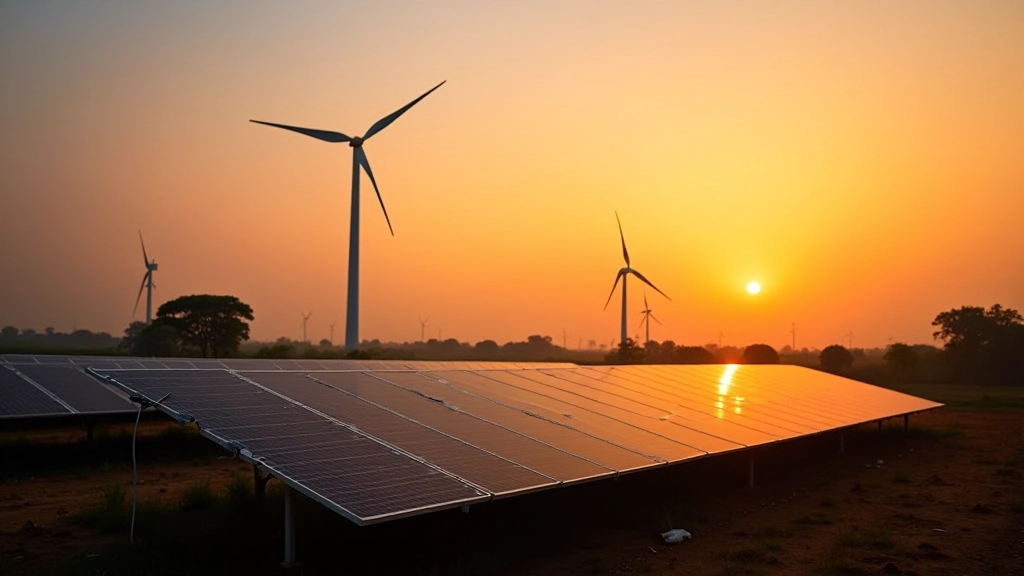
Accelerating solar, wind, and hydro capacity reduces electricity generation from diesel. This is happening — India’s renewable capacity doubled between 2017-2023 — but it’s still only about 40% of total generation.
Electric Vehicle Adoption
EV adoption is accelerating but still covers less than 2% of vehicle sales. Battery costs keep falling. If EVs reach 30-40% of new vehicle sales by 2035, petrol demand could drop meaningfully.
Domestic Production Boost
New deep-water and onshore fields could add 100,000-200,000 barrels daily by 2030. This barely dents the 80% import ratio, but every bit helps reduce exposure.
Strategic Petroleum Reserve
India maintains about 5 million barrels of emergency storage. Building reserves to 60 days of consumption (versus current 10 days) would buffer price spikes better.
Diversified Supply Sources
Reducing dependence on OPEC by strengthening ties with Russia, Kazakhstan, and African producers reduces vulnerability to any single region’s supply disruptions.
Price Hedging Strategies
Using commodity futures and options markets to lock in prices ahead of time can smooth out volatility, though it’s expensive and requires careful execution.
The Honest Truth
None of these solutions happen fast. India won’t be energy-independent in the next decade. Renewables are growing, but they can’t fully replace fossil fuels yet. EVs are spreading, but most vehicles on Indian roads run on petrol or diesel. Domestic oil production is being pushed, but geology and capital constraints limit how quickly new fields come online.
What this means: India will remain vulnerable to crude oil price shocks for at least 10-15 years. During that window, every geopolitical crisis, every supply disruption, every OPEC decision directly impacts our inflation and fiscal stability. It’s uncomfortable, but it’s the reality.
The smartest approach combines all these strategies simultaneously — not waiting for one perfect solution, but moving on multiple fronts. Push renewables harder. Encourage EV adoption through incentives. Develop domestic reserves strategically. Build emergency stockpiles. Diversify supplier relationships. Hedge prices when possible.
But the transition takes time. Until then, crude oil dependency remains India’s Achilles heel in managing inflation and protecting fiscal space.



Disclaimer
This article is educational and informational in nature. It presents analysis of India’s crude oil dependency and its economic impacts based on publicly available data and economic principles. The content is not financial advice, investment guidance, or economic forecasting. Actual inflation rates, oil prices, and economic outcomes depend on numerous factors and can vary significantly from historical patterns or projections discussed here. This article doesn’t predict future prices, inflation rates, or economic conditions. Readers should consult qualified economists, financial advisors, or policy experts for specific guidance relevant to their circumstances. Economic data and figures are accurate as of the publication date but subject to revision.