
Understanding Fuel Price Deregulation in India
How India moved from government-controlled prices to market-linked pricing, and why deregulation fundamentally changed inflation dynamics.

The Shift That Changed Everything
India’s fuel price system didn’t always work this way. For decades, the government controlled what you paid at the pump. They’d set prices and adjust them periodically — sometimes with huge jumps that caught everyone off guard. It wasn’t efficient, it wasn’t transparent, and it wasn’t sustainable.
In 2010, India began deregulating petrol prices. Diesel followed in 2014. This wasn’t a small policy tweak. It fundamentally rewired how fuel costs work in the country and created ripple effects that touched everything from inflation to your grocery bills. We’re going to break down what actually happened and why it matters.
The Old System: Government Control
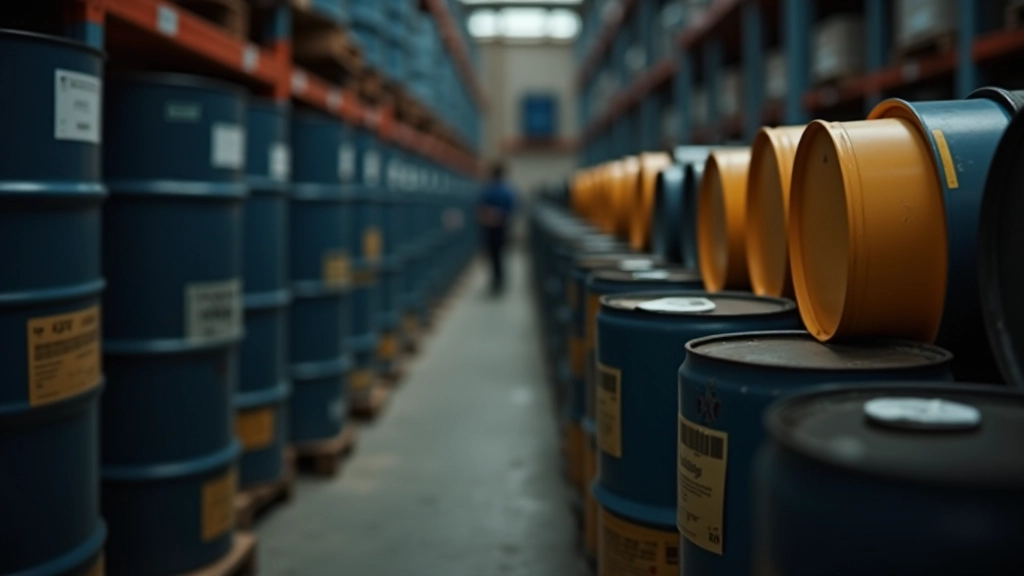
Under price control, the government decided fuel costs. Oil companies produced fuel, but they couldn’t charge what they actually wanted. When international crude prices spiked, companies took losses. When they dropped, the government kept prices artificially high and pocketed the difference. It was a system designed to protect consumers, but it created distortions everywhere.
The problem? It wasn’t flexible. If crude oil hit $140 per barrel internationally but the government kept domestic prices at artificially low levels, companies couldn’t operate sustainably. Refineries delayed maintenance. Investment dried up. And the government’s fiscal deficit grew because it was essentially subsidizing fuel consumption. This approach worked when oil was cheap, but it collapsed when global markets got volatile.
Before deregulation, India had the cheapest petrol in Asia. That sounds good until you realize the cost was paid by budget deficits, delayed infrastructure investment, and a system that discouraged efficiency.
Market-Linked Pricing Arrives
Deregulation meant oil companies could now price fuel based on actual international crude costs, adjusted for import duties, taxes, and refining. Petrol was deregulated completely in 2010. Diesel — which is critical for transport and agriculture — was deregulated in 2014. The idea was straightforward: let markets work, reduce government’s role, and remove the fiscal drain.
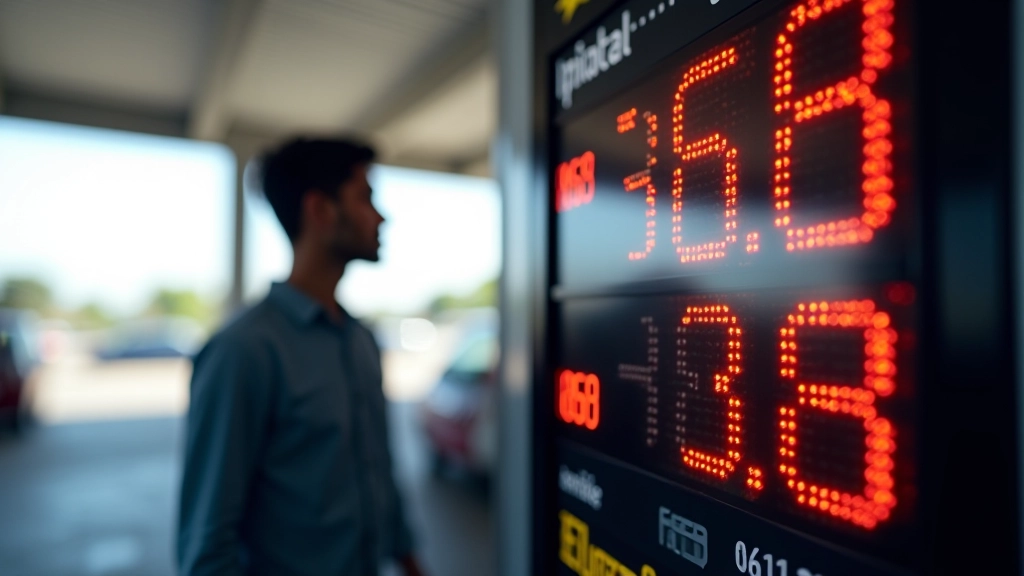
What changed immediately? Prices became volatile. They’d move weekly, sometimes daily. When crude spiked, you’d see it at the pump within days. When it dropped, prices fell too — but often with a lag. Suddenly, fuel costs weren’t something the government absorbed; they were something consumers felt directly. And that’s when the cascading effects began.
- Fuel costs became transparent and market-responsive
- Oil companies could invest in refining capacity
- Government budget deficits improved immediately
- Consumers bore price volatility directly

The Ripple Effect: From Pumps to Groceries
Here’s where it gets interesting. Fuel isn’t just something you buy for your car. It’s embedded in everything. Trucking companies transport goods — and they pay for diesel. Farmers use diesel for tractors and irrigation pumps. Power plants burn fuel to generate electricity. Fertilizer production depends on energy costs. When fuel prices rise, all these costs increase too.
So when crude hit $140 per barrel in 2008 and prices began deregulating, transportation costs climbed. That cost gets passed to retailers. Retailers pass it to you. Your vegetables cost more. Your electricity bill rises. Your internet subscription increases because the data center needs more power. It’s not immediate — there’s a lag of 4-8 weeks usually — but it’s inevitable.
In 2022, when crude spiked to $120+ per barrel due to geopolitical tensions, India’s inflation surged. Fuel price inflation accounted for roughly 40-50% of overall inflation that year. That wasn’t coincidence. It’s how deregulated markets work — shocks transmit through the economy.
Why Deregulation Matters for Inflation
Understanding the connection between fuel prices and what you actually pay for things
Direct Impact
Petrol and diesel prices affect inflation directly. When you fill your tank, that cost appears in inflation measurements. In India’s inflation basket, fuel has significant weight — around 7-8% of the consumer price index.
Indirect Transmission
Transportation costs ripple through the supply chain. Vegetables, dairy, electronics, textiles — everything that moves by truck gets more expensive. This indirect effect often exceeds the direct impact.
Expectations Matter
When fuel prices spike, businesses expect future inflation. They raise prices preemptively. Workers demand higher wages. This creates a psychological effect where inflation becomes self-reinforcing even if actual costs stabilize.
Central Bank Response
When fuel-driven inflation spikes, the RBI often raises interest rates to control price growth. Higher rates affect everyone — from home loans to business investment. One fuel shock can reshape monetary policy.
India’s Crude Oil Dependency
Here’s the reality: India imports over 80% of its crude oil. We don’t have large domestic reserves. That means our fuel prices are almost entirely dependent on global markets. When OPEC decides to cut production, India feels it. When geopolitical tensions disrupt Middle Eastern supplies, we feel it. When the U.S. imposes sanctions on oil producers, our prices respond within weeks.
This vulnerability is structural. We can’t escape it without developing alternatives — and that takes decades. Until India transitions to electric vehicles, renewable energy, and other sources at scale, we’re exposed to crude price shocks. Deregulation made this exposure visible. The old system hid it by letting the government absorb losses.
“India imports 85% of its crude oil needs, making it one of the world’s most vulnerable economies to oil price shocks. Without significant domestic production or strategic reserves that can buffer short-term volatility, price deregulation ensures these global shocks transmit directly to consumers and businesses.”

What This Means Going Forward
Fuel price deregulation wasn’t a mistake — it was necessary. The old system created unsustainable fiscal deficits and distorted market signals. But deregulation came with a trade-off: volatility. India’s inflation is now more sensitive to global crude prices. That’s not going away.
Understanding this connection helps you make better decisions. When crude prices rise, expect broader inflation within 4-8 weeks. When they fall, relief comes slowly. If you’re planning major purchases or investments, tracking crude prices gives you early signals. If you’re thinking about career decisions, remember that inflation periods often trigger wage negotiations.
The deeper lesson? In a deregulated market, nothing exists in isolation. Fuel isn’t just about cars anymore. It’s about groceries, electricity, job opportunities, and monetary policy. That’s the world deregulation created — more efficient, more transparent, but also more connected and more vulnerable to global shocks. That’s the reality modern India operates within.
Important Note
This article provides educational information about India’s fuel price deregulation system and its economic impacts. The content is intended to help you understand the mechanics of fuel pricing and inflation dynamics. It isn’t investment advice, economic policy guidance, or a prediction of future prices. Fuel prices are influenced by countless factors including geopolitical events, currency fluctuations, and global supply dynamics. Economic relationships described here are generalizations — actual impacts vary significantly based on specific circumstances. For decisions involving significant financial commitments, consult with qualified financial advisors or economists who can assess your specific situation.